Affiliate marketing for brands: how BetterHelp, Wacoal and Ridge pay partners
Flat fee or commission, paying more for new customers, partners who refuse commission, and paying for content you run as ads. From the people running it.
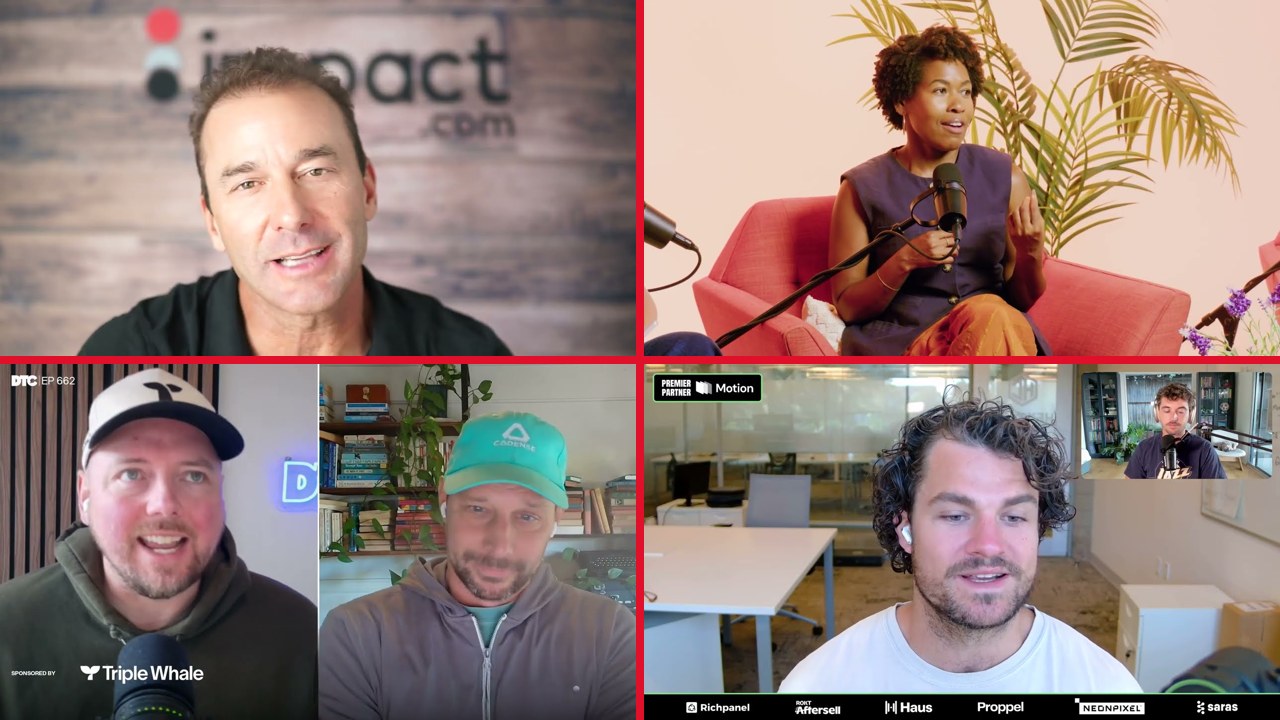
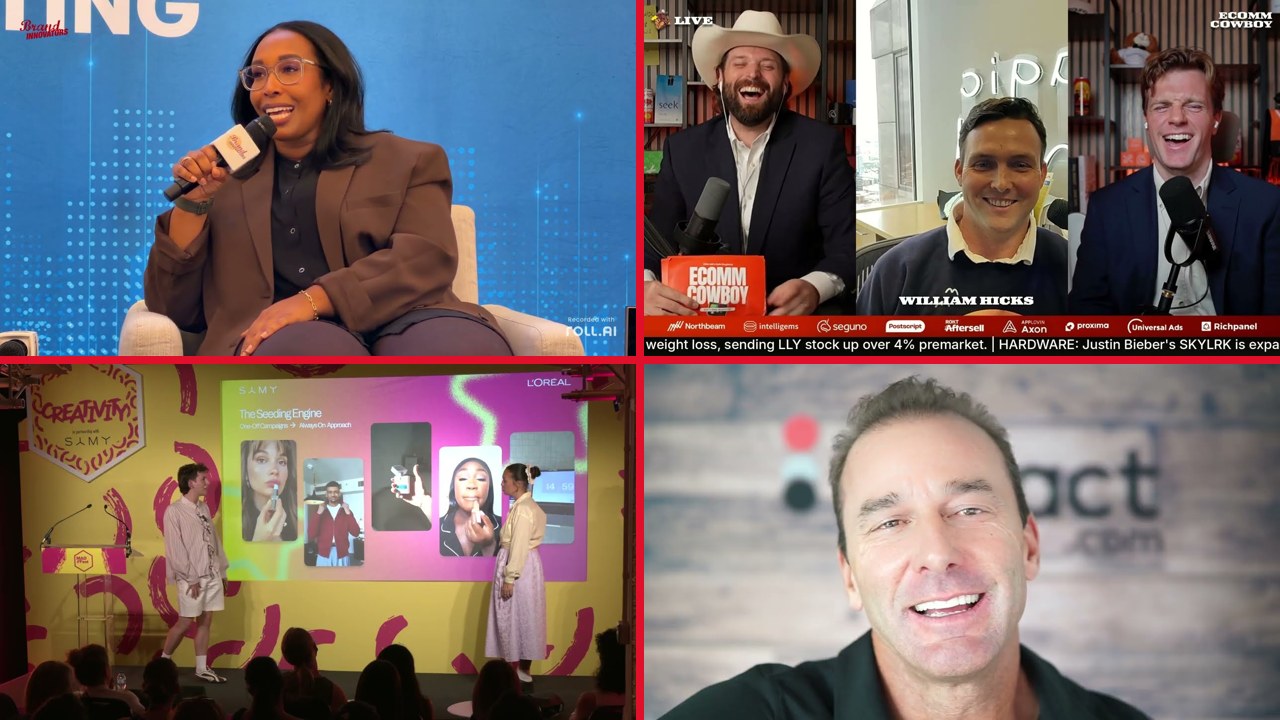
Plenty of brand marketers still hear "affiliate" and think of coupon sites. Below, the people running four brands' programs explain on camera how they pay partners, and what they changed.
1. Decide who carries the risk
Steve Messa has worked on BetterHelp's creator program for about 10 years and now heads its YouTube creator and influencer work. For the first five or six years, he said, it was almost all performance. He sees the choice between a flat fee and commission as a choice about who takes the risk.
…if it's a performance deal, the creator is going to do a partnership and may not make a dollar. So, there's a lot of risk on that. On the flat fee side of things, a brand might work with a creator and it might not perform at all. So, the brand is out.Steve Messa, BetterHelp at 29:46
He encourages the creators who fit a brand best to take commission, with links on their websites and socials as well as in videos. BetterHelp also keeps some creators on its bench not for their sales but because their content works in paid social ads and on its own accounts.
…affiliates enable creators to earn recurring revenue, which as an entrepreneur recurring revenue is a magical thing. Recurring revenue can change people's lives, and when you take a fee up front once, sometimes you're leaving money on the table.Steve Messa, BetterHelp at 30:39
2. Keep it from turning into a coupon channel
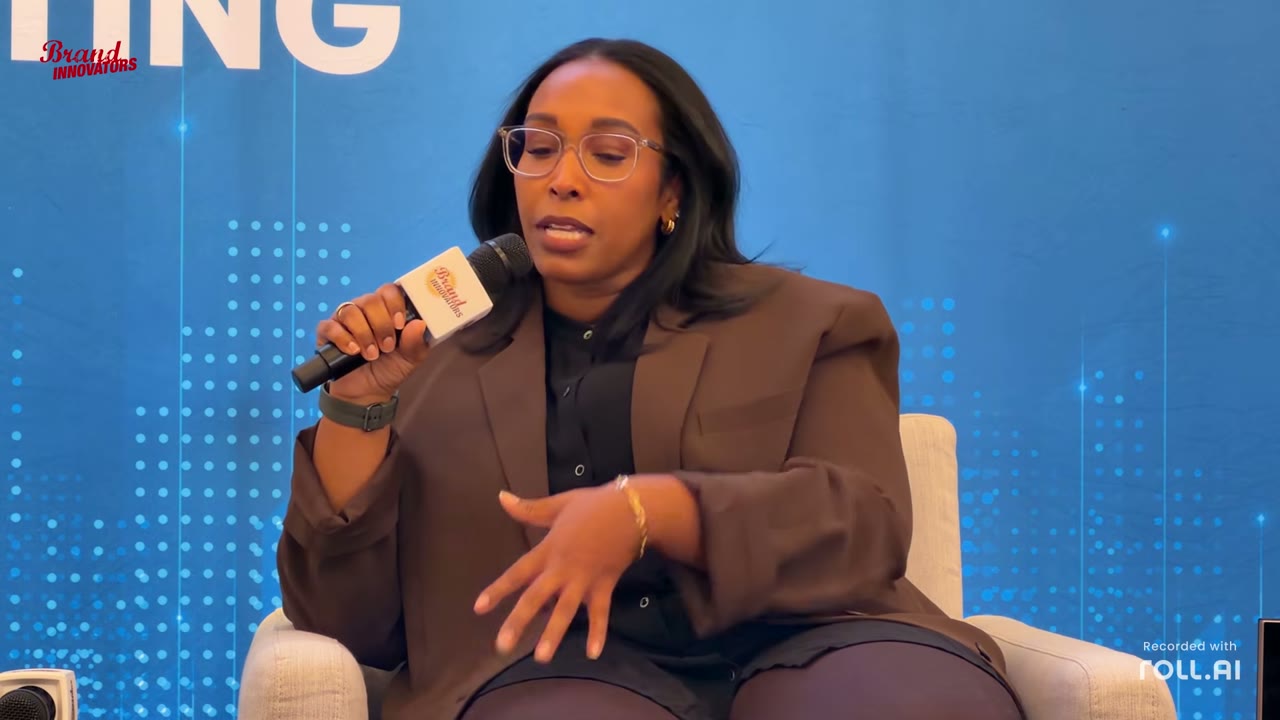
Wacoal sells bras at full price and does not promote discounts. Judith Sampson, its marketing lead, said legacy brands tend to treat affiliate as discounting.
I think there's this mindset of affiliate is coupons or rebates or a discount model ... we set a high standard for our quality, our fit, and also our pricing policies.Judith Sampson, Wacoal at 4:56
Small offers still work for Wacoal: free shipping, a free gift with purchase, or 10% off for new email subscribers.
3. Pay more for new customers
Samantha Cormier of Acceleration Partners, the agency that runs Wacoal's program, judges the channel by how many of its buyers are new to the brand, and set commission to match.
…we look at new customer percentage as a way to measure the incrementality of the channel ... we were able to implement new customer tracking and commission differently on new versus return.Samantha Cormier, Acceleration Partners at 24:20
She said the lower rate on returning customers saves money and gives partners a reason to go after new ones.
4. Ask before you build commission tiers
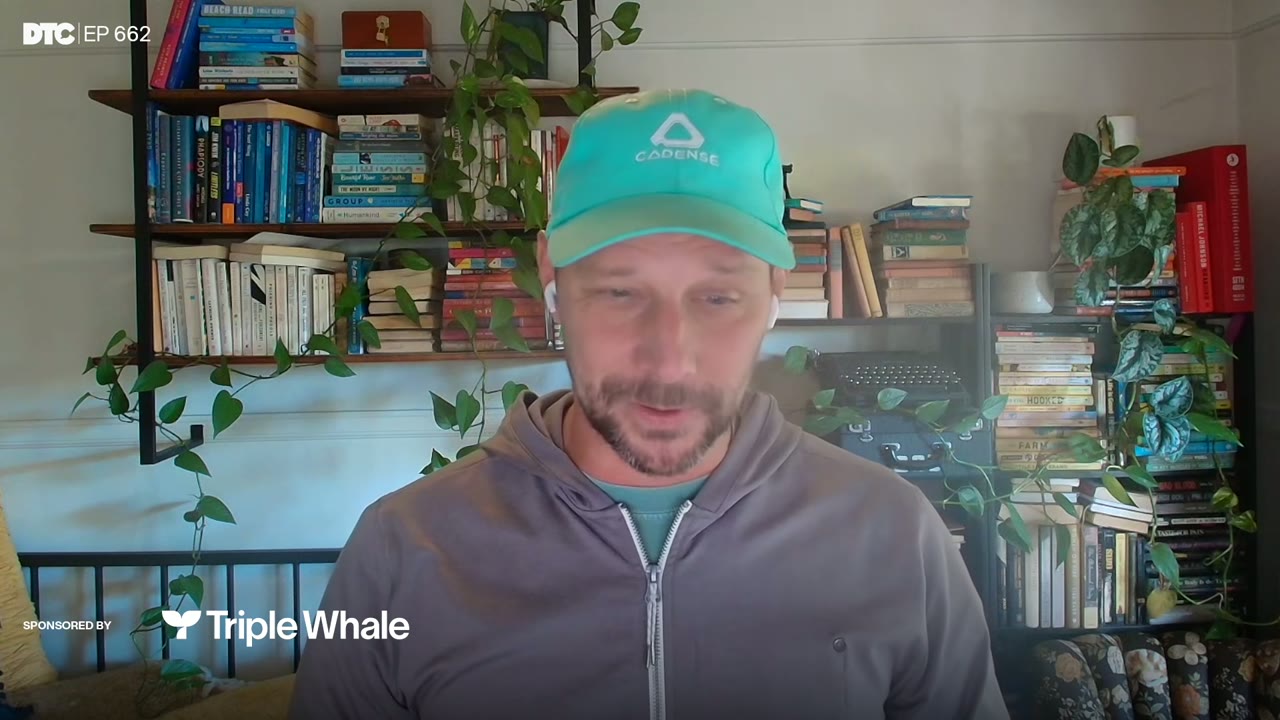
Cadense sells a sneaker meant to cut falls, and physical therapists see its buyers after a stroke. CEO Johannes Sauer drew up commission tiers, creatives and flyers for PTs, then pitched 12 of them.
And 11 out of 12 PTs were like your product sounds great and I'm happy to recommend it, but I don't want to take commissions for it. That's unethical.Johannes Sauer, Cadense at 14:11
He sent each therapist a free pair and a postcard with a tracked QR code and a discount code instead. More than 750 PTs in the US now recommend the shoe, with no commission paid.
5. Pay for content you can run as ads
Ridge found that commission tied only to TikTok Shop sales left creators with no reason to make good wallet videos when wallets were not selling there. So it pays on the ads it runs too.
…if you give us great content and we can spend on it on Meta, we're going to just pay you a percentage of ad attributable revenue there.Connor MacDonald, Ridge at 52:36
Get the next playbook in your inbox
Free. Pick what you want, leave any time.
- The Partnership Economy Podcast | Season 7, Episode 9, impact.com (YouTube)
- Awin-Win Marketing Podcast S4E1 | Wacoal + Acceleration Partners, Awin (YouTube)
- Why 1 in 5 of This DTC Brand's TV Callers Has No Email Address, The DTC Podcast (YouTube)
- Two 2027 DTC Shifts: AI Retention Marketing & TikTok Creator Burnout, Marketing Operators (YouTube)